


When it comes to saving energy at home, many people think about appliances or insulation. However, design choices like paint colors, windows, and flooring also play an important role. The materials and finishes you choose can affect how much heat your home absorbs or loses, which directly impacts your comfort and energy bills. Here is how these everyday choices can make your home more energy efficient.
- Paint colors:
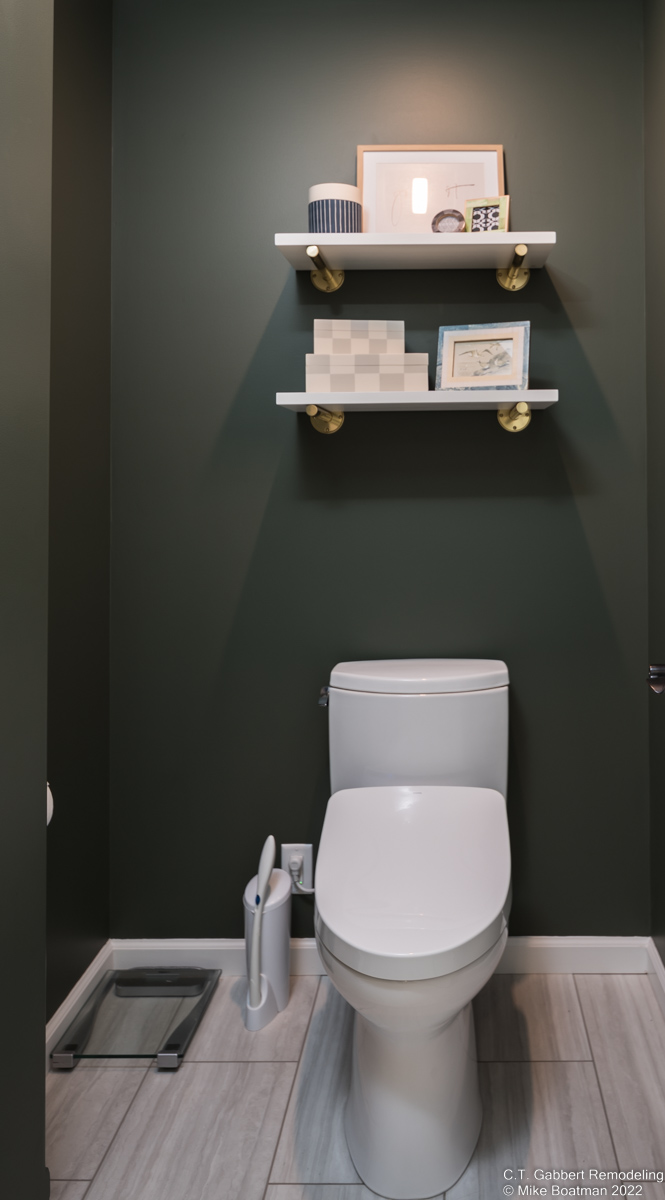
Choosing the right paint colors for your home can actually affect your energy bills. Light colors such as white, beige, or pale shades reflect the sun’s heat away from your house, which helps reduce the amount of heat absorbed by your walls and roof. This, in turn, lowers your energy consumption.
In warmer climates, it’s recommended to use lighter colors on exterior walls and roofs. On the other hand, darker colors—like deep reds or blacks—absorb more heat from the sun. This heat transfers inside, making your home warmer and increasing energy use during hot weather.
What should you do?
Keep a balance with your color choices. In warmer weather, lighter paint colors are the best option. In colder climates, darker colors can be beneficial since they help retain warmth.

High performance windows:
Upgrading from single-pane to double-pane windows greatly improves energy efficiency, enhances comfort, and reduces outside noise, making it a valuable investment for homeowners. Single-pane windows provide limited efficiency compared to double windows, which can be up to twice as effective. For noise reduction, switching to double-pane offers significant improvement. Double-pane windows also provide better insulation and help maintain a more consistent indoor temperature.
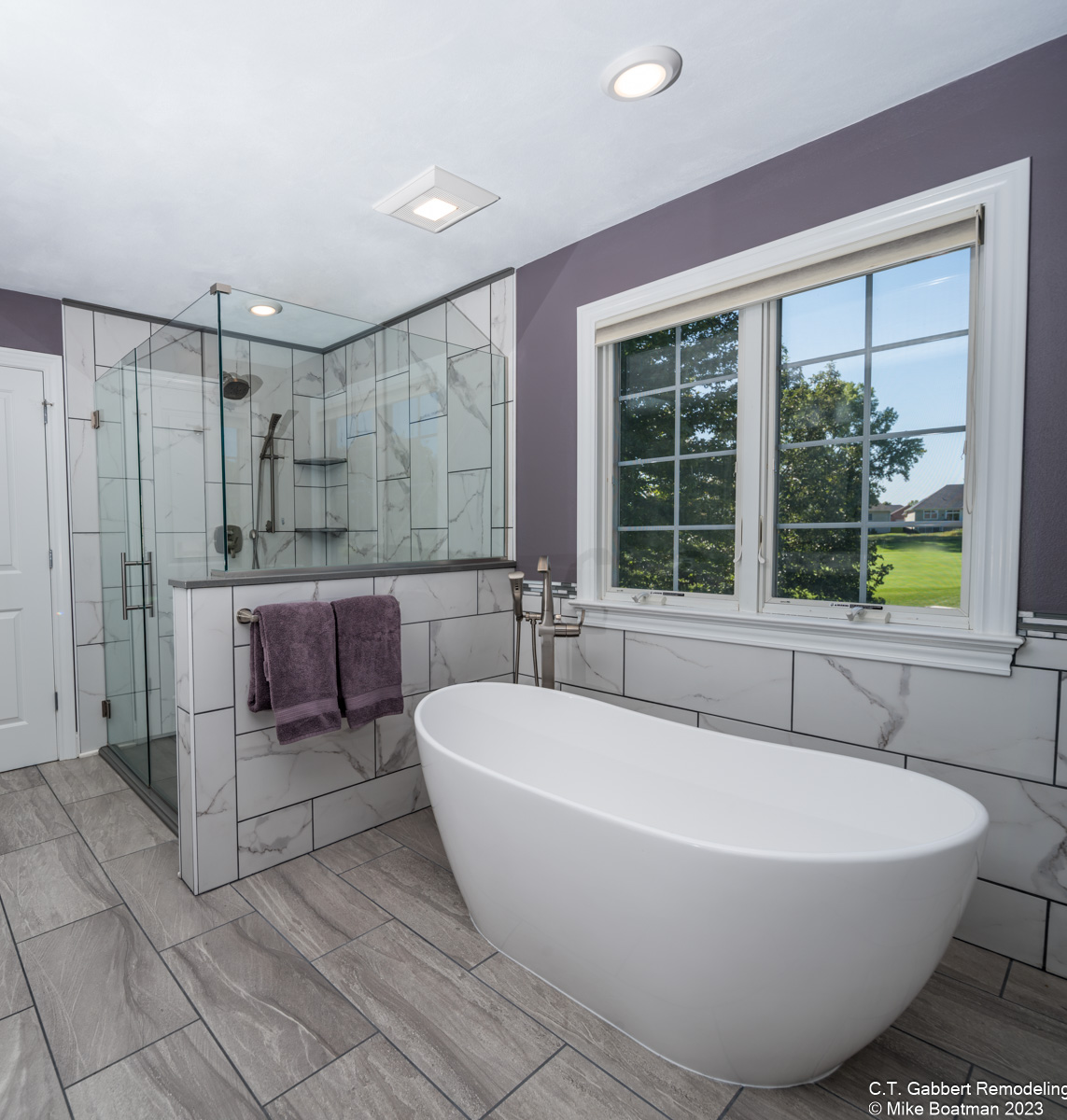
Did you know that the type of flooring you choose can affect your energy bills? Carpeting is an excellent insulator that helps keep your home warm in the winter. Wood also has natural insulating properties and is an eco-friendly option. Even laminate flooring is considered energy efficient, especially when paired with radiant heating, which regulates temperature and can help lower your energy costs. When homeowners remodel and add new flooring, the choice often depends on many factors, but if energy efficiency is a priority, the right flooring can make a big difference.
Sources:
Energy efficient windows and doors – Energy Saving Trust
Flooring Options That Increase Energy Efficiency in the Home – PRO! Flooring